
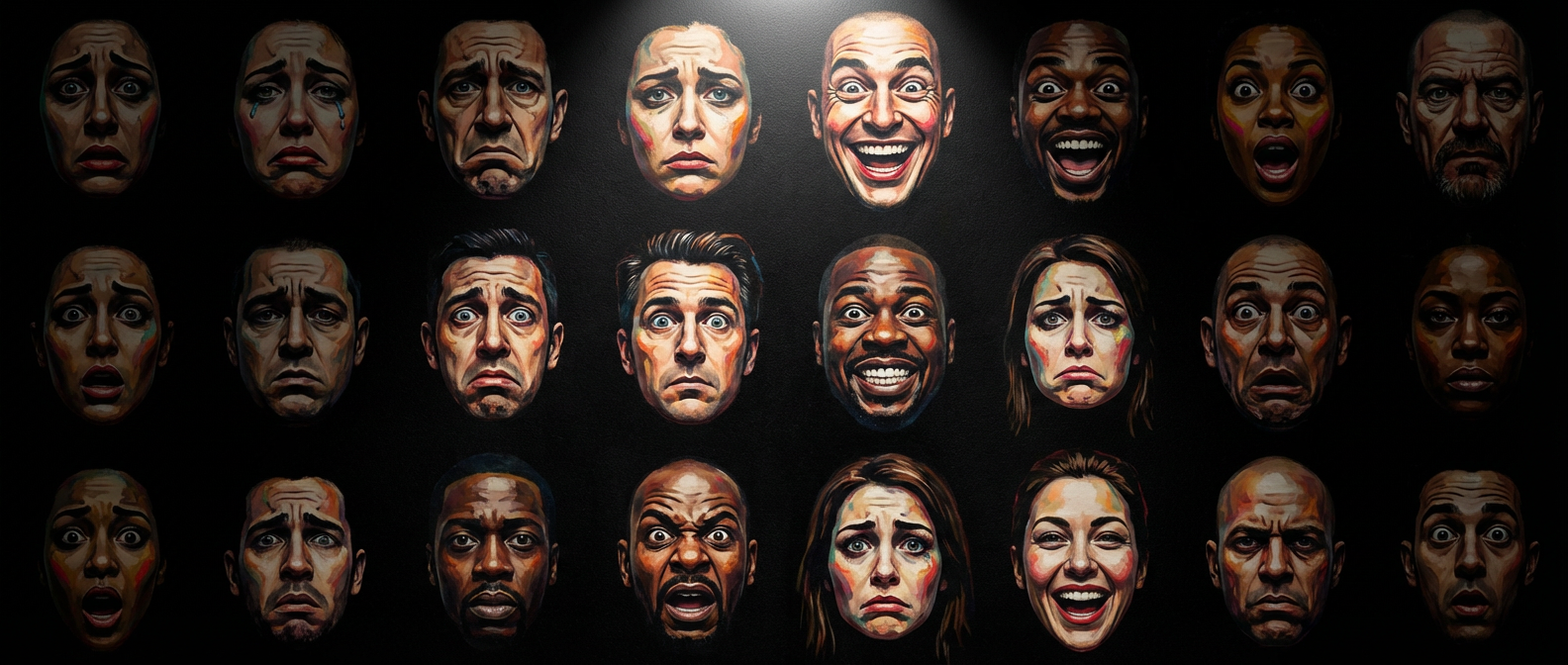
Transforming THE AMBIGUITY OF THE HUMAN EXPERIENCE INTO CLARITY
What if the anxiety, stress, and overwhelm your students feel isn't something to suppress, but intelligence trying to speak?
This An Invitation to RETURN TO What Your Body Already Knows
THE LITMUS SYSTEM
Body-Based Wisdom for Students, Educators & Academic Communities
We live in a culture that teaches us to override our bodies.
Push through your exhaustion.
Ignore your feelings of discomfort.
Think your way out of everything.
But your body has been tracking your experience since before you had language and it's been trying to tell you something.
The Litmus System teaches students, faculty, and staff how to actually listen to their body. Some have termed this, ‘Interoception’, but that sounds too much like ‘interrogation’ to me, which this is not - who wants to be interrogated? - so I prefer ‘Innerception’.
This isn't another mindfulness talk or stress management workshop. This is a research-backed, trauma-aware approach to accessing the internal wisdom your body has been holding all along—wisdom that improves decision-making, emotional regulation, and mental health in measurable ways.
You will not look at your body the same way after experiencing this work.
ABOUT LITMUS
“Their attention to detail and commitment to quality truly stood out. We’ve “Daniel is a powerful healer and hacker of the body and mind. Daniel helped me go deep in my trauma work to connect with, understand, and release stuck emotions that had been stored for years. Daniel takes a friendly and safe approach to his healing work and leaves his students feeling empowered in realizing their capability to heal themselves.” recommended them to others.”
— Kelsey Hennessey : Educator, St Pauls, Minnesota School district“In our first session, through his unique somatic techniques, I was unable to unlock a memory that was repressed in my body for over 36 years! His approach to working with me was like something I’ve never experienced. At the end of the day, he taught me the tools I needed to be my own “healer” and taught me how to trust my own intuition, while assisting me in clearing the trauma that allowed me to unlock my own intuitive gifts.”
— Michael Ditalian : Real Estate Exec
Massachusetts
“Your help has been the most pivotal for me! You are one of the world’s top shamans, healers and teachers! A powerhouse! Thank you!
— Dr Lana Bach Morrow, PHD, CEO of Think Interfaces, Austin, TexasThe Science of Listening to Your Body
Interoception, or what I prefer to term it, ‘Inner-ception’ is the ability to sense your body's internal signals and is one of the most overlooked skills in education. Research shows it's foundational to:
Emotional regulation (meta-analysis: r = 0.30, p < 0.001)¹
Decision-making under uncertainty (Iowa Gambling Task studies)
Mental health outcomes across anxiety, depression, and trauma
Academic performance (embodied learning meta-analysis: g = 0.52)²
Development of reliable intuition
Peer-reviewed research from leading institutions demonstrates that people who can accurately read their body's signals:
Are better leaders - They make better decisions before they consciously understand why
Navigate relationships much better - They can regulate emotions more effectively through difficult situations
Feel better overall - They experience fewer symptoms of anxiety and depression
Have an overall improved human experience - Show stronger cognitive performance under stress
The Evidence Base
There is peer-reviewed research from neuroscience, psychology, and clinical medicine confirming what indigenous healing traditions have known for millennia: your body is intelligent, and learning its language changes everything.
Scroll to the bottom of this page to check out cited references.
Body-Oriented Trauma Therapy
Meta-analysis of 29 randomized controlled trials examining body- and movement-oriented interventions for PTSD found effect sizes of g = 0.50-0.56 [95% CI: 0.29, 0.82], comparable to EMDR and established treatments.³
Heart Rate Variability & Breathing Interventions
Meta-analysis of HRV biofeedback training found large effect sizes for stress and anxiety reduction: g = 0.81-0.83 across clinical and non-clinical populations.⁴
Embodied Learning & Academic Performance
Meta-analysis of 17 studies with 1,046 participants found embodied learning significantly improved academic performance (g = 0.52, p < 0.001) and reduced cognitive load.²
School-Based Self-Regulation Programs
The most comprehensive analysis of school-based social-emotional learning programs encompassed 213 studies with 270,034 students, finding effect sizes of d = 0.57 for social-emotional skills and d = 0.27 for academic performance (an 11-percentile-point gain).⁵
A JAMA Pediatrics meta-analysis of self-regulation interventions found a pooled effect of d = 0.42 (95% CI: 0.32–0.53) across children and adolescents.⁶
Interoceptive Training
Meta-analysis of 29 RCTs with 2,191 participants found mindfulness-based interventions significantly improved interoception with g = 0.31 (95% CI: 0.21–0.42, p < 0.001).⁷ A systematic review of 31 RCTs found 64.5% of interoception-based interventions improved interoceptive outcomes compared to controls across diverse clinical populations.⁸
What Students & Faculty Will Learn:
The LTMS Framework: Location, Temperature, Motion, Speed
In 60-90 minutes, participants learn a simple 4-point system for decoding any physical sensation into actionable emotional information:
Location - Where in your body are you feeling this?
Temperature - Is it hot, cold, warm, neutral?
Motion - Is it pulsing, swirling, stabbing, constricting, expanding?
Speed - Fast, slow, still?
This framework turns vague feelings like “I'm stressed" or “I'm anxious" into specific, workable information:
“There's a hot, fast-swirling sensation in my solar plexus that's activated when I think about the presentation I'm giving tomorrow."
Once you know what's there, you can work with it and decode the emotion!
Why This Matters for Students
Academic pressure, social anxiety, identity formation, family expectations, future uncertainty — college students carry these experiences in their bodies whether they realize it or not. Research shows that unprocessed emotional content:
Impairs executive function and working memory
Reduces cognitive flexibility during exams
Creates chronic stress patterns that lead to burnout
Manifests as physical symptoms (headaches, stomach issues, fatigue)
The Litmus System gives students a practical tool they can use in the moment—before an exam, during a difficult conversation, when panic starts to rise. It is emotional intelligence made concrete.
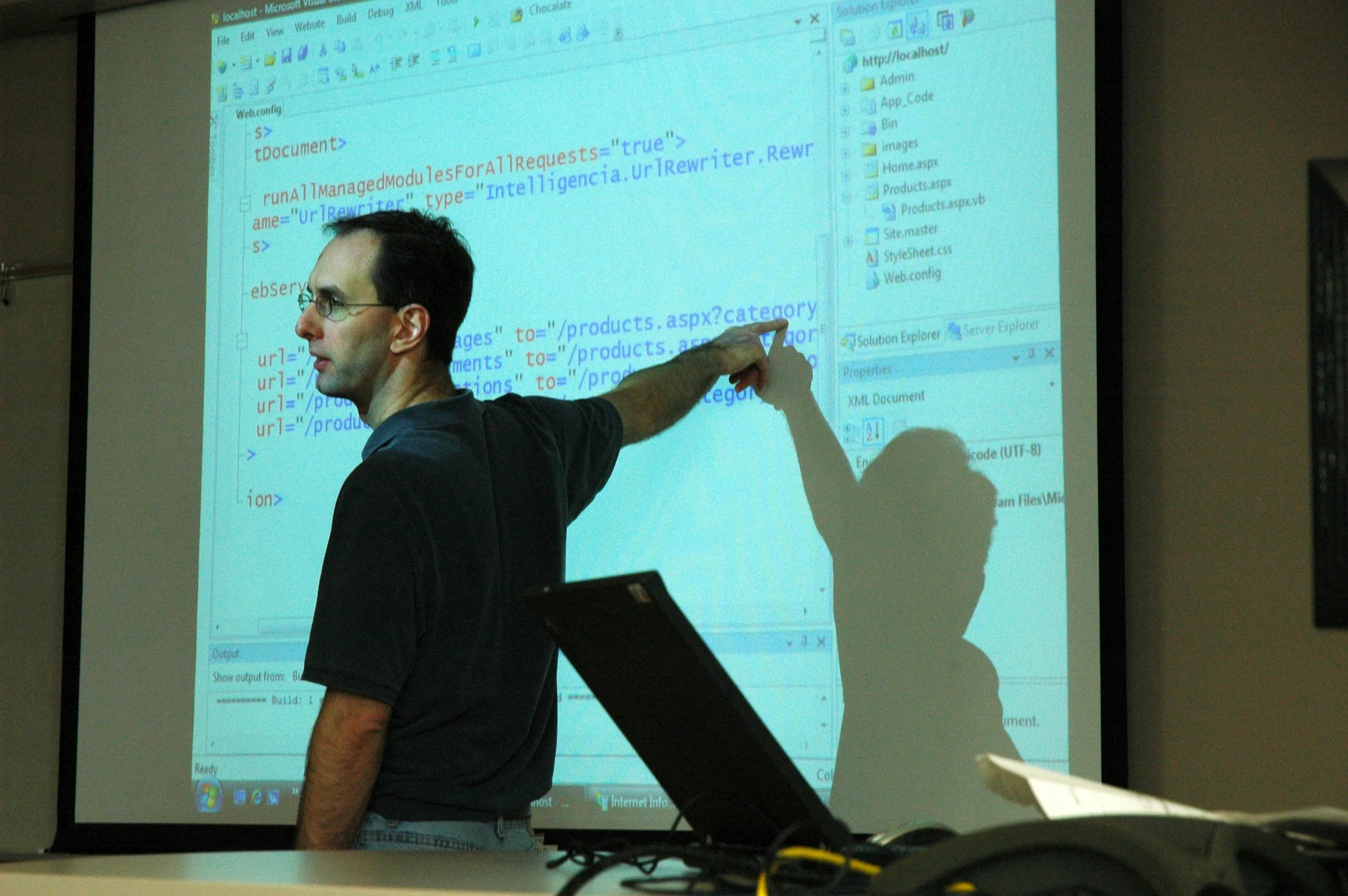

Why This Matters for Faculty & Staff
Teachers, administrators, and support staff face compassion fatigue, secondary trauma, and institutional stress that wellness programs rarely address effectively. The Litmus System offers:
A way to distinguish between your emotional state and what you're absorbing from students
Tools to process difficult classroom moments in real-time
Understanding of why certain students or situations trigger you
Techniques for nervous system regulation that take less than 5 minutes
“Our teachers are drowning. This wasn't another 'self-care' talk telling them to take bubble baths. This was actual, practical tools they could use in the classroom when a student melts down or when they feel triggered. Multiple staff members called it career-changing."
— Dr. James Kim, Assistant Principal, Oakland Unified School District
The Trauma-Informed Foundation
The Litmus System is grounded in somatic psychology, is compatible with polyvagal theory, and has roots in shamanic healing traditions. It recognizes that:
Trauma lives in the body, not just the mind. Difficult experiences create what we call “fractured consciousness" - these are parts of your experience that couldn't be fully processed at the time, so they got stored as sensations, tensions, and patterns. That's your nerve(ous) system doing exactly what it evolved to do: protect you by ‘pausing’ or rather, compartmentalizing what was too much to handle all at that time.
Sensations are messages, not malfunctions. That tightness in your chest, that knot in your stomach, that inexplicable shoulder pain — these are a language. They carry a message. When you learn how to listen, you know exactly what needs attention.
Integration, not suppression. Traditional approaches often try to eliminate difficult emotions or “manage" symptoms. The Litmus System teaches integration through welcoming those fractured parts back into wholeness. This aligns with research showing that somatic approaches produce effect sizes comparable to or exceeding cognitive-only interventions.
We can support each other. Through partner exercises, we further our learning and through observing another in the intimacy of the playful process, see ourselves and accelerate healing.

Special Application: Psychedelic Preparation & Integration
For universities and wellness centers offering psychedelic-assisted therapy research or supporting students exploring therapeutic use of psychedelics:
The Litmus System provides essential somatic preparation and integration skills. Research from Johns Hopkins, MAPS, and Cambridge demonstrates that:
Set and setting — including body awareness and grounding skills — significantly influences therapeutic outcomes.
Pre-journey preparation can help you safely be present with intense body signals and improves participants' ability to navigate difficult material.
Post-journey integration requires somatic tools to embody insights rather than just intellectualizing them.
The Litmus System offers a structured, teachable framework for:
Establishing baseline body awareness and learning how to be at ease in discomfort before expanded states.
Creating somatic anchors and having tools for grounding during intense experiences.
Processing and integrating challenging moments that emerge through the mind and body.
Distinguishing between genuine insight, ego projection and trauma reactivation.
This is becoming essential preparation as psychedelic therapy enters mainstream mental health treatment. Schools offering counseling psychology programs, student wellness centers, or research initiatives can benefit from having staff trained in these approaches.
What a Session Looks Like
60-Minute Keynote
Introduction to the body's intelligence (15 min)
The LTMS framework with live demonstration (20 min)
Guided practice: Audience works with a real sensation (15 min)
Q&A and resources (10 min)
90-Minute Workshop
Extended teachings on trauma and the nerve(ous) system (20 min)
Multiple practice rounds with different scenarios (30 min)
Small group sharing and integration (20 min)
Expanded Q&A and application to specific contexts (20 min)
Half-Day Faculty Development (3 hours)
Complete Litmus System foundations training.
Classroom application strategies.
Recognizing trauma responses in students.
Learning about ‘mental health’ from an empowering lens, over the clinical.
Self-regulation techniques for educators.
Full-Day Immersion (6 hours)
Comprehensive training for counselors, health center staff, or student leaders.
Advanced integration techniques.
Working with complex trauma presentations.
Certification to teach basic Litmus techniques.
Partner exercises to foster an increased empathy culture.
Building empathy-centric classroom culture.
Ongoing support and consultation.
Option to work with me on an ongoing basis to develop additional related skills.
Who This Serves
Universities & Colleges
Orientation programs for incoming students.
Counseling center staff professional development.
Student wellness workshops.
Faculty development on trauma-informed teaching.
Residence life and peer support training.
Psychology and social work programs.
Mental health systems and care programs.
K-12 Schools
Teacher professional development.
School counselor training.
Student assemblies (age-appropriate adaptations).
Parent education evenings.
Administrative leadership development.
Healthcare Training Programs
Medical schools and nursing programs
Social work and counseling graduate students
Occupational therapy programs
Programs preparing students for high-stress clinical work
Next Steps
If you're curious whether the Litmus System might serve your students, faculty, or community:
Schedule a Conversation
Fill in the form
Please include:
Your institution and role
Audience you'd like to serve (students, faculty, staff, etc.)
Approximate group size
Specific challenges or focus areas
Preferred timeframe
I'll respond within 48 hours to set up a complimentary 30-minute consultation where we explore whether this is a good fit for your community.
Or Start With Resources
If you'd like to explore the framework first:
Request the Litmus System overview document
Watch sample session footage
Access research summaries and citations
Review detailed session descriptions
About Daniel Boutros (The Magick Mechanic)
Daniel has spent 10+ years studying how wisdom traditions and modern science converge. His unique background; Emmy-nominated game developer (Spider-Man VR, The Walking Dead) turned international spiritual educator, gives him the rare ability to translate ancient healing practices into accessible, practical frameworks.
Training & Experience:
Shamanic traditions (indigenous practices across continents).
Somatic therapy and trauma work.
Psychic development and energy healing.
Almost a decade teaching at retreats, festivals, and wellness centers globally.
The Litmus System emerged from:
Thousands of hours working with clients across cultures.
Integration of shamanic soul retrieval practices with polyvagal theory.
Refinement through teaching everyone from teenagers to trauma therapists.
Daniel's teaching style is direct, honest, and remarkably grounded. He doesn't perform. He doesn't use corporate jargon. He treats his audiences like intelligent adults capable of understanding both the science and the mystery. Students appreciate that he takes their questions seriously. Faculty appreciate that he respects their expertise while offering new tools.
Practical Details
Pricing (Educational Institution Rates)
Single Session (60-90 min): $2,500
Assemblies, keynotes, single workshops
Half-Day (3 hours): $4,500
Faculty development, staff training, intensive workshops
Full-Day (6 hours): $8,000
Comprehensive training with certification
Multi-Day Residency: Custom pricing
For schools wanting ongoing implementation support
Pricing includes pre-event consultation, customized materials, and 30-day follow-up support. Travel expenses billed separately for locations outside Los Angeles.
Scholarship & Sliding Scale: Available for Title I schools, community colleges, and programs serving underserved populations. Let's have a conversation about what's possible.
What You Need to Provide
Microphone (for groups over 30)
Projection screen (optional but helpful)
Chairs arranged for group work
Space where people feel comfortable closing their eyes
That's it. No need for yoga mats, special lighting or incense (but it doesn’t hurt!). This works in lecture halls, gyms, conference rooms, and libraries.
Customization
Every session is tailored to your population:
Age-appropriate language and examples
Culturally responsive approaches
Integration with existing curriculum or programs
Specific focus areas (exam stress, teacher burnout, trauma-informed practice, etc.)
Frequently Asked Questions
Is this appropriate for students under 18?
Yes, with age-appropriate adaptations. The framework is particularly effective for adolescents who are just developing emotional literacy. I've worked with students from middle school through graduate programs.
Do students need to believe in anything spiritual?
Not at all. The Litmus System is taught as a practical body-awareness skill backed by neuroscience. Students from all backgrounds - including skeptics - benefit from learning to read their body's signals. I have served people across most if not all faiths.
What if someone has a trauma response during the practice?
I'm trained in trauma-informed facilitation and create safe, inclusive containers. The practice is always optional, always self-paced, and designed to be gentle. Participants can stop at any time and I remind them. For institutional contexts, I coordinate with counseling staff when appropriate.
Can this be integrated into existing curriculum?
Absolutely. Litmus is compatible with:
Health and wellness classes.
Psychology courses.
Teacher training programs.
First-year seminar programs.
Peer counseling certification.
Empathy and communication classes.
I provide materials and consultation for integration.
What's the research evidence?
The evidence base includes meta-analyses and RCTs from peer-reviewed journals including Journal of Traumatic Stress, JAMA Pediatrics, Scientific Reports, Child Development, and Psychological Medicine. Effect sizes range from g = 0.30 to 0.83 across different outcomes. Full research references available below and upon request.
How is this different from mindfulness programs we already have?
Mindfulness teaches present-moment awareness with a specific language nobody else is teaching, which anyone can learn - a few of my most successful clients are / were in their 70s with no mystical or wellness experience, short of the odd spa.
The Litmus System teaches decoding -turning sensations into specific emotional information you can work with. They complement each other well, but Litmus provides a more active, inquiry-based approach particularly useful for trauma and complex emotions.
A Final Thought
The students and educators in your care are already carrying so much. Academic pressure, social complexity, institutional stress, personal challenges, and now the weight of a world that often feels uncertain and overwhelming.
What I offer isn't another thing to carry. It's a way to work with what's already there—the sensations, the tensions, the unspoken experiences living in their bodies. When people learn to listen to that intelligence, they discover they're not broken. They're not too sensitive. They're not failing. It makes everything easier and lighter!
Everyone is carrying important information that their bodies have been trying to share all along.
The Litmus System simply teaches the language so all can hear it and communicate with it.
If that resonates with the kind of community you're building, I'd be honored to serve.

Daniel Boutros @ The Magick Mechanic
Based in Los Angeles, CA and London, UK | Available Globally
Web: www.themagickmechanic.com
Instagram: @themagickmechanic
Linkedin: danielboutros
“Your body has been tracking your experience since before you had words.
The Litmus System teaches you how to listen."
Research References
Interoception & Emotional Regulation: Multiple authors (2025). Interoception and mental health in middle-aged and elderly adults: A systematic review and meta-analysis. Neuroscience & Biobehavioral Reviews. DOI: 10.1016/j.neubiorev.2025.105946 | Link
Embodied Learning: Multiple authors (2024). Effectiveness of embodied learning on learning performance: A meta-analysis based on the cognitive load theory perspective. Computers & Education. DOI: 10.1016/j.compedu.2024.105157 | Link
Body-Oriented Trauma Therapy: van de Kamp, M. M., et al. (2023). Body-and movement-oriented interventions for posttraumatic stress disorder: An updated systematic review and meta-analysis. Journal of Traumatic Stress, 36(5), 835-848. DOI: 10.1002/jts.22968 | Link
HRV Biofeedback: Goessl, V. C., Curtiss, J. E., & Hofmann, S. G. (2017). The effect of heart rate variability biofeedback training on stress and anxiety: A meta-analysis. Psychological Medicine, 47(15), 2578-2586. DOI: 10.1017/S0033291717001003 | Link
School-Based SEL (Landmark Study): Durlak, J. A., et al. (2011). The impact of enhancing students' social and emotional learning: A meta-analysis of school-based universal interventions. Child Development, 82(1), 405-432. DOI: 10.1111/j.1467-8624.2010.01564.x | Link
Self-Regulation in Youth: Pandey, A., et al. (2018). Effectiveness of universal self-regulation–based interventions in children and adolescents: A systematic review and meta-analysis. JAMA Pediatrics, 172(6), 566-575. DOI: 10.1001/jamapediatrics.2018.0232 | Link
Mindfulness & Interoception: Treves, I. N., et al. (2025). A meta-analysis of the effects of mindfulness meditation training on self-reported interoception. Scientific Reports, 15, 1847. DOI: 10.1038/s41598-025-22661-4 | Link
Interoceptive Interventions: Heim, N., et al. (2023). Psychological interventions for interoception in mental health disorders: A systematic review of randomized-controlled trials. Psychiatry and Clinical Neurosciences, 77(10), 530-540. DOI: 10.1111/pcn.13576 | Link
All citations verified February 15, 2026. All studies peer-reviewed and published in established scientific journals.
For complete research summaries with additional citations and detailed methodology, please contact abc@themagickmechanic.com